
DIRECT ANSWER
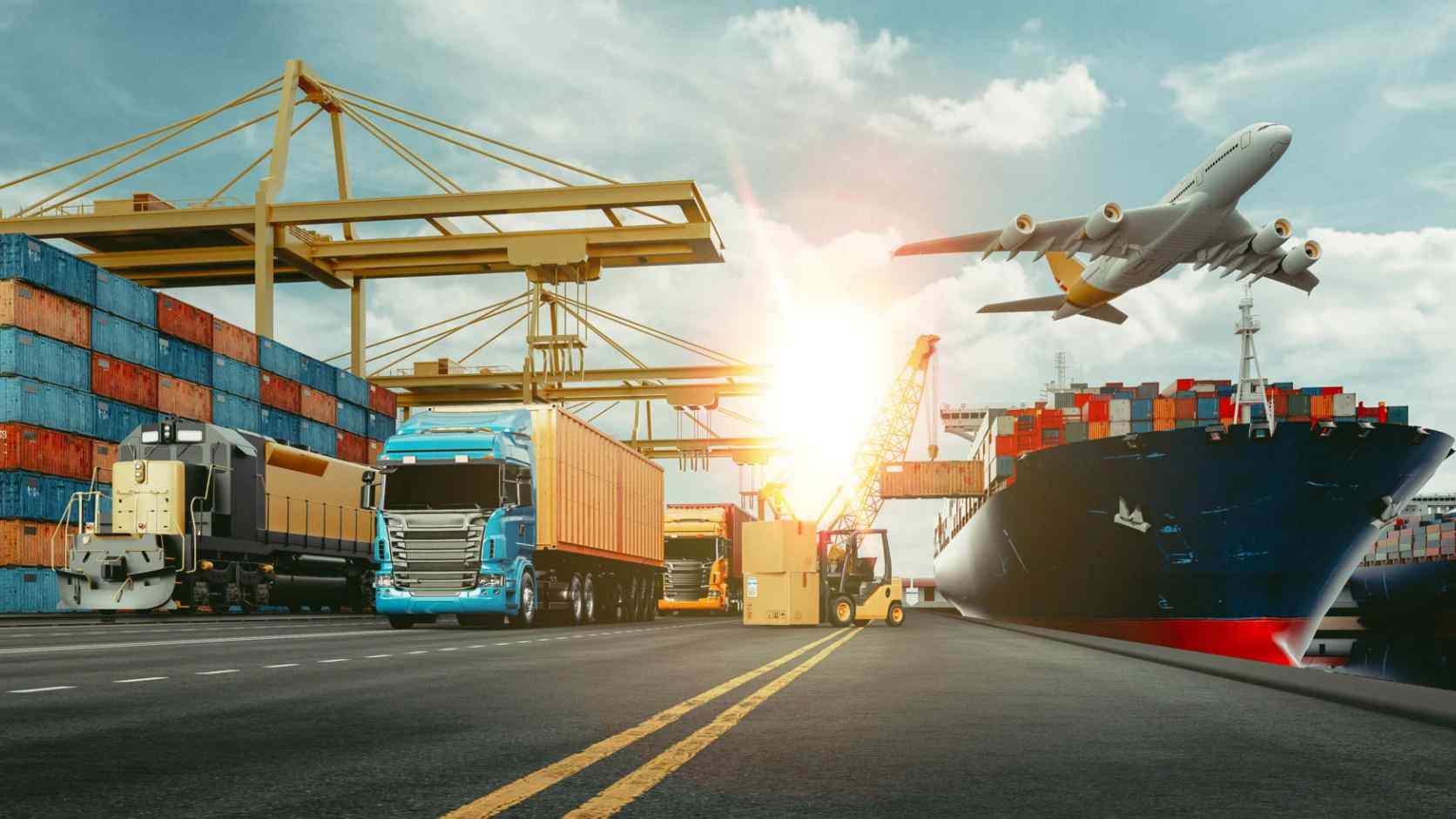
Logistics should enter sourcing early because product dimensions, pack configuration, production location, consolidation, cargo sensitivity, Incoterms, documents and delivery timing affect cost and feasibility before the goods are finished.
A shipment does not begin at the port. Product size, pack design, factory location, consolidation and documentation shape cost and risk much earlier.
01
The commercial decision starts with the packed product
A product can meet an ex-factory target and still fail its landed-cost position because the pack wastes volume, needs special handling or creates damage risk. Pack and logistics thinking should inform development, not merely dispatch.02
Every port begins inland
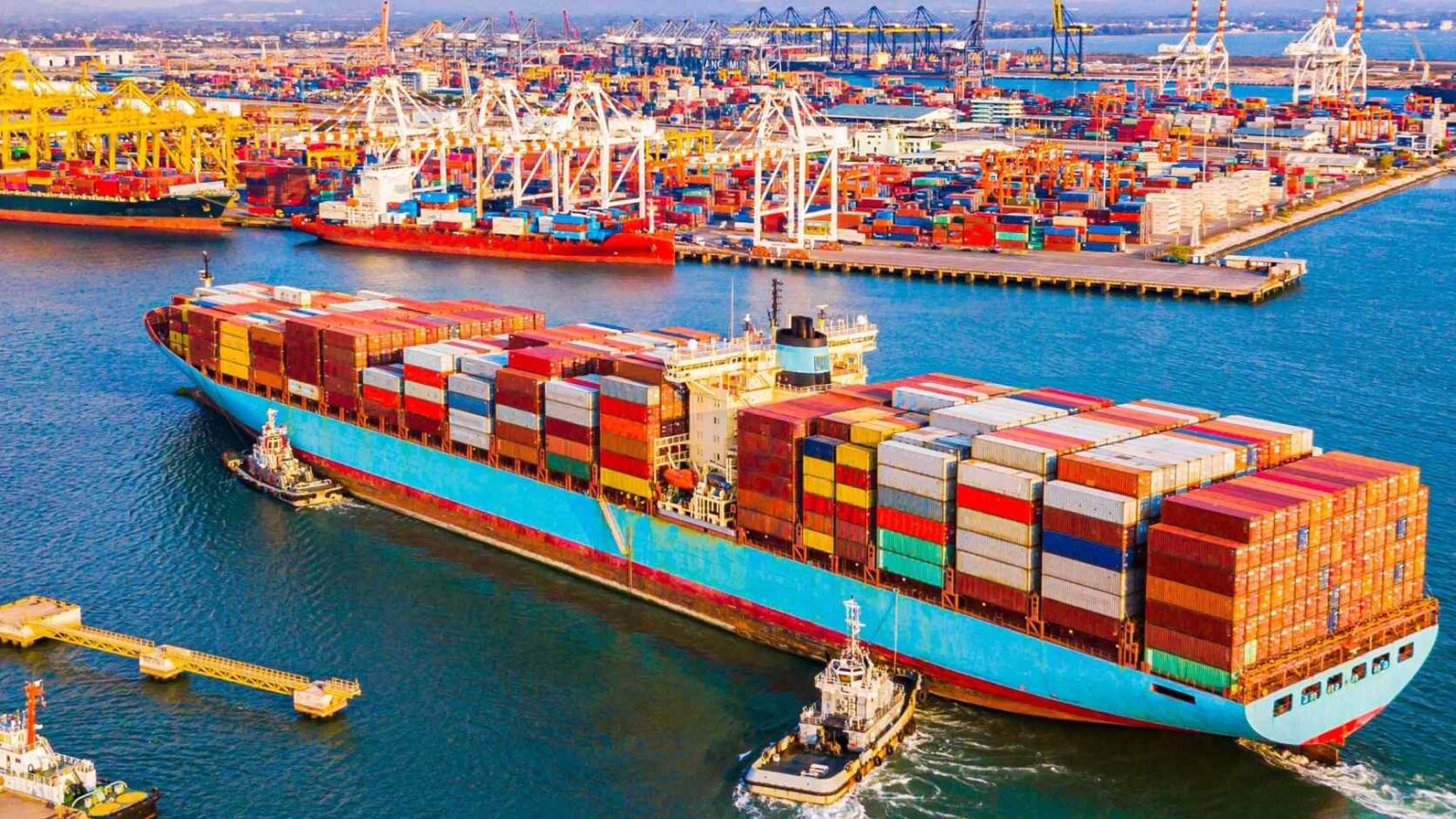
Factory location, road access, inland container options, consolidation points, cargo readiness and cut-off times affect reliability. The cheapest nominal route may not be the lowest-risk route.03
Documents connect physical and legal movement
Descriptions, quantities, weights, classifications, origin support, labels and commercial records need agreement across buyer, supplier, forwarder and customs professional. Late correction can delay cargo even when production is complete.04
Plan the exception route
Decide who acts when a booking rolls, cargo misses cut-off, a document conflicts, packing fails or arrival timing changes. Visibility without responsibility does not resolve the problem.KEY TAKEAWAYS
What to carry into the next decision
- Use packed dimensions in early commercial review.
- Evaluate inland and port movement as one chain.
- Pre-check documents and exception ownership.
Editorial note: This guide is general operational information, not legal, tax or regulatory advice. Product, marketplace and destination requirements should be confirmed from current authoritative sources and qualified specialists.
 Process
 Logistics